
How do we make our clothing? The answer lies in a different approach to fashion production: smaller scale, higher quality and a stronger connection between design, fabric and craftsmanship.
Like many small brands, we once followed a more conventional model. A collection would be designed, sales would be forecast and production would be placed with overseas factories. On paper, this is the standard way of working. In practice, it comes with many problems for a smaller business.
Minimums are high, orders are often too small to receive priority and brands can be pushed into producing more than they really need. The result is excess stock, discounting and wasted product. It is a system that can force quantity ahead of quality.
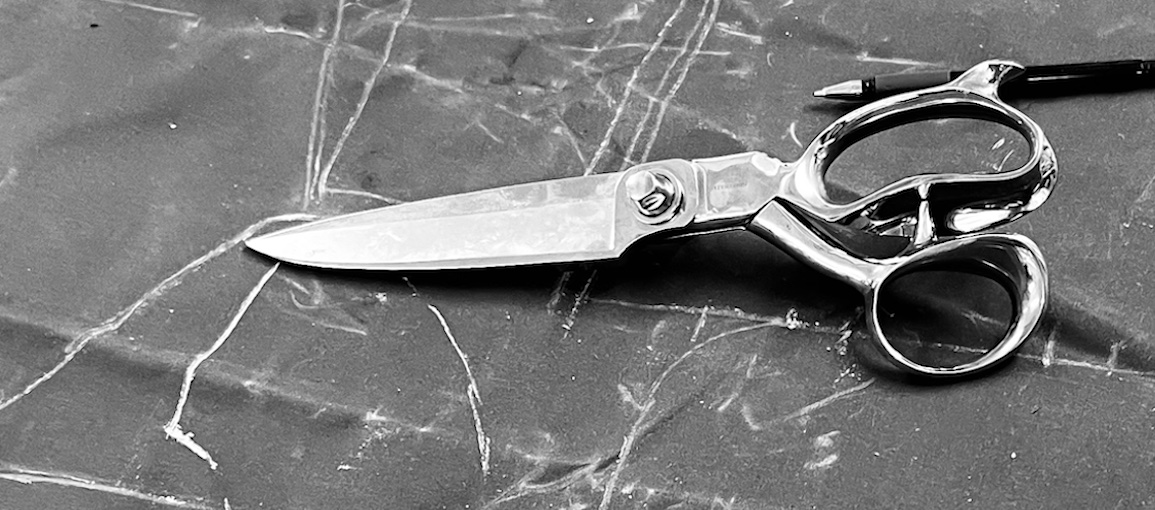
In 2018, I decided to change direction. Having previously worked in senior design roles, I realised I already had the skills to do far more of the process myself: design, pattern cutting and fabric preparation. That led to a complete rethink of the brand.
Instead of relying on large-scale external production, we built a model based around making in the UK, using excellent fabrics and working with highly skilled people. We rented a workshop in York and began creating our own patterns and preparing work in-house again.
The next step was deciding what kind of product we truly wanted to make. For me, the answer was clear: fewer products, made to a higher standard, using some of the best fabrics available. We work with mills that value quality and allow smaller, more thoughtful purchasing, rather than forcing volume.
We also wanted a better way of making the garments themselves. Across the country there are skilled machinists, tailors and technicians with years of experience, many of whom had left traditional factory environments. We built relationships with these makers and created a system that allowed them to work with flexibility while being paid in line with their skills.
Each week, carefully cut and prepared work is sent out, made to exact specifications and returned for checking before dispatch. This gives us control over quality while supporting a more humane and sustainable way of working.
For us, this approach offers several advantages. It allows us to focus on craftsmanship, avoid unnecessary volume and build clothing that reflects the values of the brand. It also means we do not have to chase mass sales by lowering quality or compromising on fabric.
This is not the fastest or easiest way to grow a fashion business, but it is the right way for us. It is closer to how many luxury and heritage brands originally began: with skill, care, premium materials and a refusal to cheapen the product for scale.
That is how we make our clothing. British-made, carefully considered and built around quality rather than volume.