
A natural fibre cotton jacket that keeps the rain out, breathes properly, lasts for decades and does not make you feel like you are wrapped in a plastic bag. That is a good place to start, isn't it?
What makes a Ventile jacket different?
I will try to write this without sounding like I am selling you something, although I suppose that is slightly difficult because we do make jackets from it. Still, this is not meant to be one of those dead soul product blurbs that sounds as if it has been squeezed out of a machine. You know the type. Lots of words, no pulse.
So let us start with the simple bit. Ventile is a tightly woven cotton fabric made for serious outerwear. It is natural, comfortable, weather resistant, highly breathable and, when made into a proper jacket, very hard to beat.
That is the thing about a good Ventile jacket. It does not need to shout. It just quietly does the job.
Ventile is not just another water repellent cotton
There are plenty of cotton outerwear fabrics around, and almost all of them use one water repellent treatment or another. Most modern ones are PFAS free or moving in that direction, which is a good thing. But that does not make them all the same.
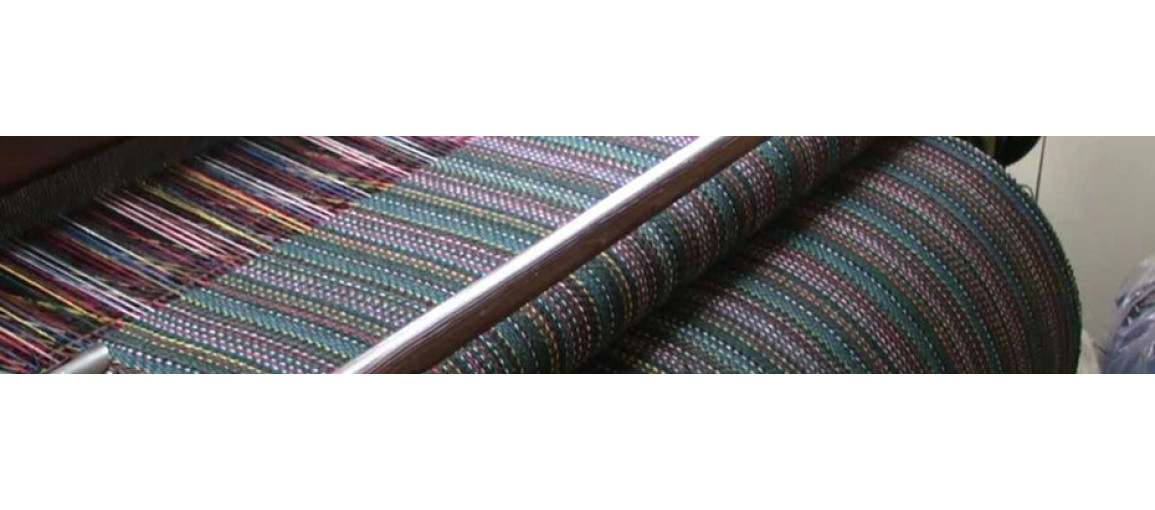
This is where Ventile becomes interesting. Ventile is woven from very fine, extra long staple cotton yarns. That matters. A lot. The finer and better the yarn, the tighter and more controlled the weave can be. Ask anyone who knows weaving and they will start talking about picks, ends and yarn count before you have even finished your tea.
That dense weave gives Ventile its head start. When the fabric gets wet, the cotton fibres swell, helping the fabric close up against wind and rain while still allowing the jacket to breathe. No plastic membrane. No noisy synthetic shell. No feeling like you are wearing a crisp packet.
Why is Ventile fabric so expensive?
Part of the answer is the cotton. High quality long staple cotton yarn is simply more expensive. It is finer, stronger and harder to source than ordinary cotton yarn. But the bigger answer is commercial.
We have looked for comparable cotton outerwear fabrics. We have asked fabric suppliers why they do not offer something similar. The answer is usually not that it cannot be done. The answer is that it is expensive to set up and difficult to justify unless you already have the demand.
Weaving even a small run, say 100 metres, is a serious investment. That might only make around 30 coats. You need the yarn, the weaving time, the finishing, the testing and, after all that, enough customers who understand why this fabric costs more than a normal cotton cloth.
Ventile has something most fabrics do not have. It has history, recognition and nearly a century of use behind it. That pedigree matters because it means the fabric has been tested by makers, wearers, explorers, outdoor people and the sort of customers who keep a jacket long enough for it to become part of their life.
The maker's view: how Ventile handles, cuts and wears
From a maker's point of view, you can tell a great fabric almost immediately. Put it on the cutting table and watch how it falls. A good cloth has weight, balance and behaviour. It does not fight you. It does not collapse into nothing. It sits there with a bit of confidence.
Ventile is a dream to cut. That might sound like something only a cutter would care about, but it matters to the person wearing the finished jacket too. Better cloth gives better drape. Better drape gives a better silhouette. Better handle means the jacket feels right in the hand and on the body.
That is one of the reasons a proper Ventile coat does not feel like a technical jacket trying to pass as clothing. It feels like clothing first, with performance built into the fabric.
Is Ventile waterproof?
This is where we need to be honest. Ventile is a weatherproof cotton fabric, not a rubberised rain sheet. A well made Ventile jacket will keep you dry in normal rain, resist wind beautifully and remain far more breathable than many coated or laminated fabrics. But!..Double Ventile, this is where both the outer shell and the coat lining are made from Ventile and then it really does become a serious piece of kit to keep you perfectly dry all day, even in driving rain. More recently we have become the only brand to offer Ventile jackets in a waxed cotton option. We simply take the jacket we have made and hand wax it ourselves. The finish is stunning. A Waxed Cotton Ventile is THE ultimate Waxed Cotton jacket,
In heavy, prolonged rain, design also matters. Seams, construction, layers, pocket placement and the cut of the garment all make a difference. A good fabric still needs a good maker. That is true of Ventile, and frankly it is true of everything else too.
The advantage is comfort. Ventile breathes. It is quiet. It ages well. It does not have the clammy feel that many synthetic waterproof jackets have. For walking, travelling, working outside, city wear and proper everyday outerwear, that balance is exactly why people keep coming back to it.
Why Ventile gets better with age
Longevity is probably the best argument for Ventile. We have Ventile jackets in our atelier that customers have lent us which are more than 70 years old. The jackets, I should add. Although sometimes the customers too.
A great fabric should not fall apart after a couple of seasons. It should develop character. It should soften, fade a little, mark a little, remember a little. Ventile does that beautifully. It is one of those rare fabrics that can look better after years of use than it did on day one.
That is also why it sits so naturally with slow fashion. A Ventile jacket is not a disposable bit of outerwear. It is something you buy, wear, repair, reproof when needed and keep.
So, is a Ventile jacket worth it?
If you want the lightest possible mountain shell, there are synthetic fabrics that make more sense. If you want something cheap, Ventile is not going to be your friend. But if you want a natural fibre jacket that is breathable, rain resistant, wind resistant, quiet, beautifully made and capable of lasting for decades, Ventile is very difficult to argue against.
That is why we use it. Not because it is fashionable, although it sometimes is. Not because it is easy to buy, because it is not. Not because it helps us make cheap jackets, because it absolutely does not.
We use Ventile because when you want to make high end outerwear from natural fibres, and you want that outerwear to keep people comfortable in real weather, there are very few fabrics that make more sense.
And if that sounds like selling, fair enough. But at least it is selling something we actually believe in.